Nevis: A Landscape Shaped by History
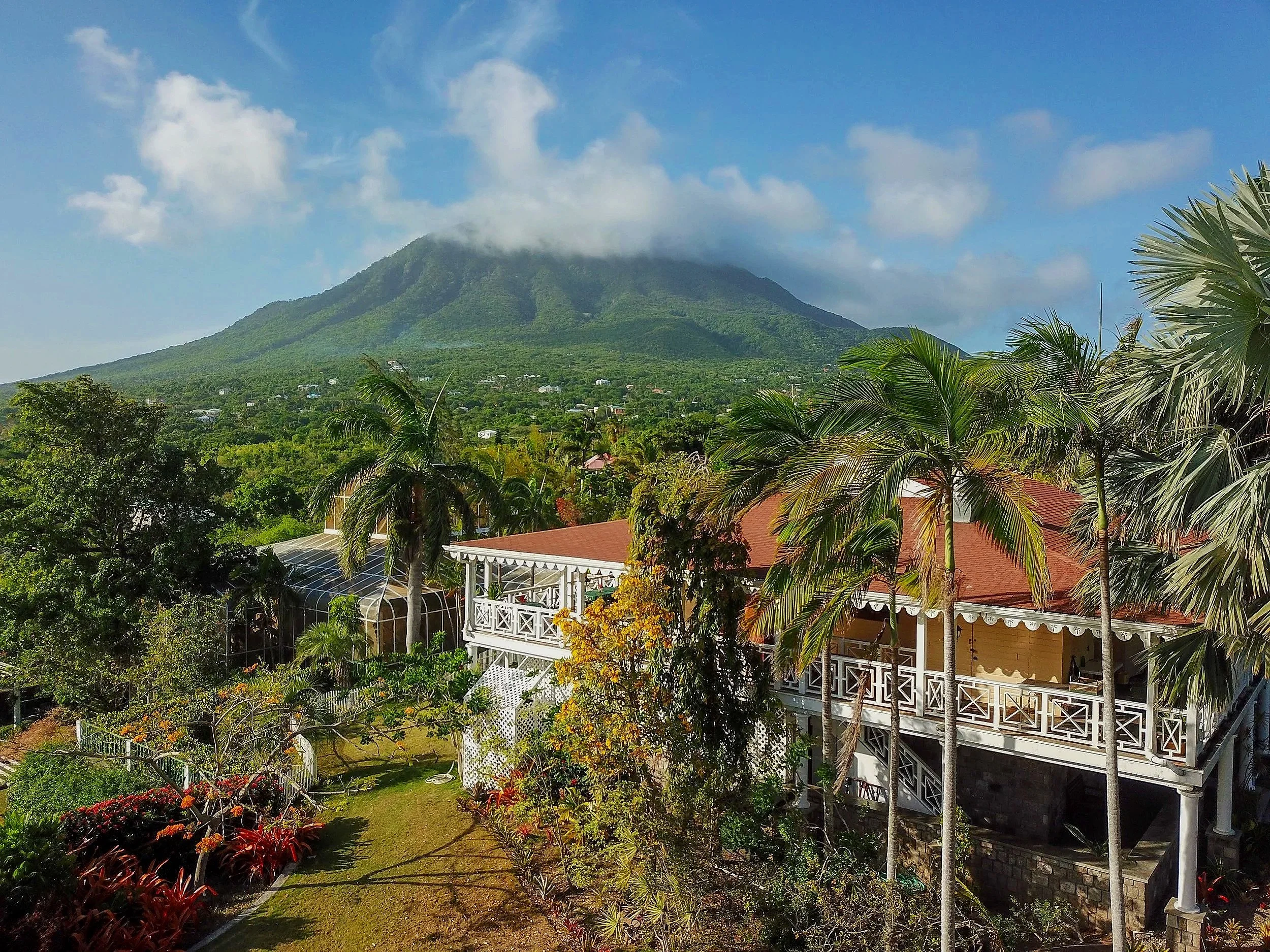
Nevis is more than a small Caribbean island—it is a place where centuries of history live in the landscape, the ruins, and the stories told by its people. From its earliest Indigenous inhabitants to the plantation era and independence, the island carries a legacy that continues to shape its identity.
Long before European ships appeared on the horizon, Indigenous peoples made Nevis their home. The island became known as Oualie, commonly translated as “land of beautiful waters.” Christopher Columbus sighted Nevis in 1493, and its present name derives from the Spanish Nuestra Señora de las Nieves—“Our Lady of the Snows”—traditionally associated with the clouds that gather around Nevis Peak.
English settlers established a colony in 1628, and Nevis soon became one of the most prosperous islands in the Caribbean. Its sugar wealth, however, depended on the forced labor of enslaved Africans. Plantation agriculture transformed the island’s landscape and society, leaving a legacy visible today in estate houses, stone windmills, and the ruins of sugar works.
The abolition of slavery in 1834 marked a major turning point, but the struggle for economic opportunity and self-determination continued.
Over generations, Nevisians built the communities, livelihoods, and institutions that shaped the modern island. On September 19, 1983, Saint Kitts and Nevis achieved independence from Britain as a sovereign federation.
Nevis also has connections to figures known far beyond its shores. Alexander Hamilton, who became the first United States Secretary of the Treasury, was born on the island. The future Admiral Horatio Nelson met Frances “Fanny” Nisbet here while serving in the Caribbean; they married at Montpelier on March 11, 1787. Their marriage is recorded in the parish register of Saint John’s Fig Tree Church.
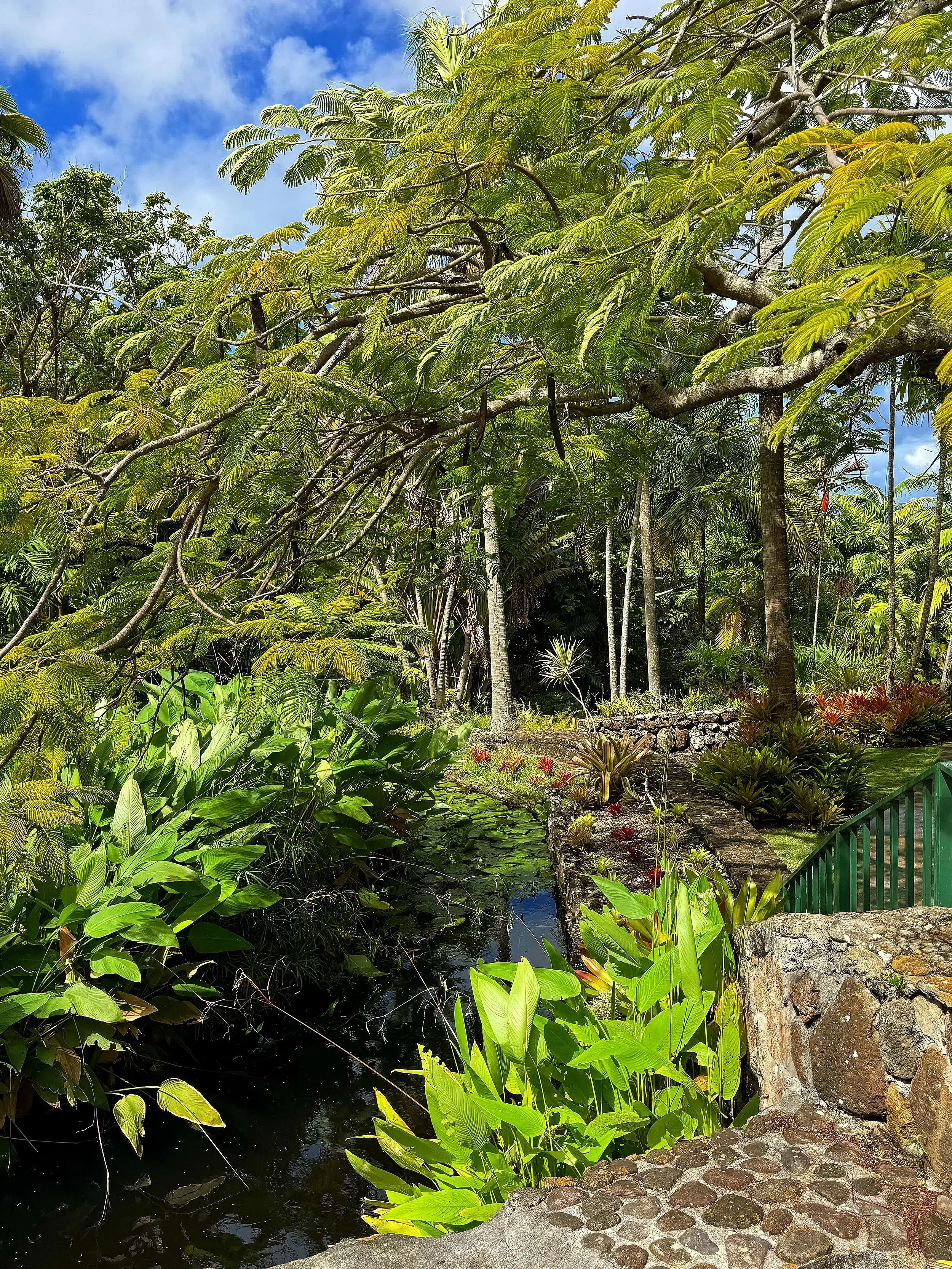
The Botanical Gardens form a more recent chapter in this landscape’s history. Created by Joseph and Martha Murphy in the Montpelier Estate area, they brought together tropical plants, sculpture, fountains, and garden architecture to create a distinctive place of beauty on Nevis. Their story connects the island’s historic landscape with the pleasure of exploring a garden today.
From its Indigenous heritage and plantation past to its independence and continuing creativity, Nevis remains a place where history is not simply remembered—it is lived.