
Birds of Nevis
The Botanical Gardens of Nevis are more than a beautiful landscape—they are a thriving ecosystem, alive with movement, color, and sound. The tranquil ponds and lush grounds provide welcoming habitats for a variety of wildlife, making the Gardens a rewarding destination for birdwatchers and nature lovers. Throughout the year, visitors can watch birds among the trees, listen for frogs near the water, and see schools of fish gliding beneath the surface. Together, these creatures bring another dimension of beauty to the garden.
For wildlife, the Gardens offer shelter and sustenance; for visitors, they provide a peaceful place to reconnect with nature. Each visit brings opportunities for discovery, whether it is a glimpse of a migratory bird on its seasonal journey, the ripple of fish in a quiet pond, or a moment spent listening to the sounds of life among the foliage.
Come explore this living landscape and celebrate the natural world around us. Whether you arrive with binoculars, a camera, or simply a sense of curiosity, the Gardens invite you to slow down, look closely, and appreciate the rich variety of birds that makes this a refuge for wildlife and people alike.
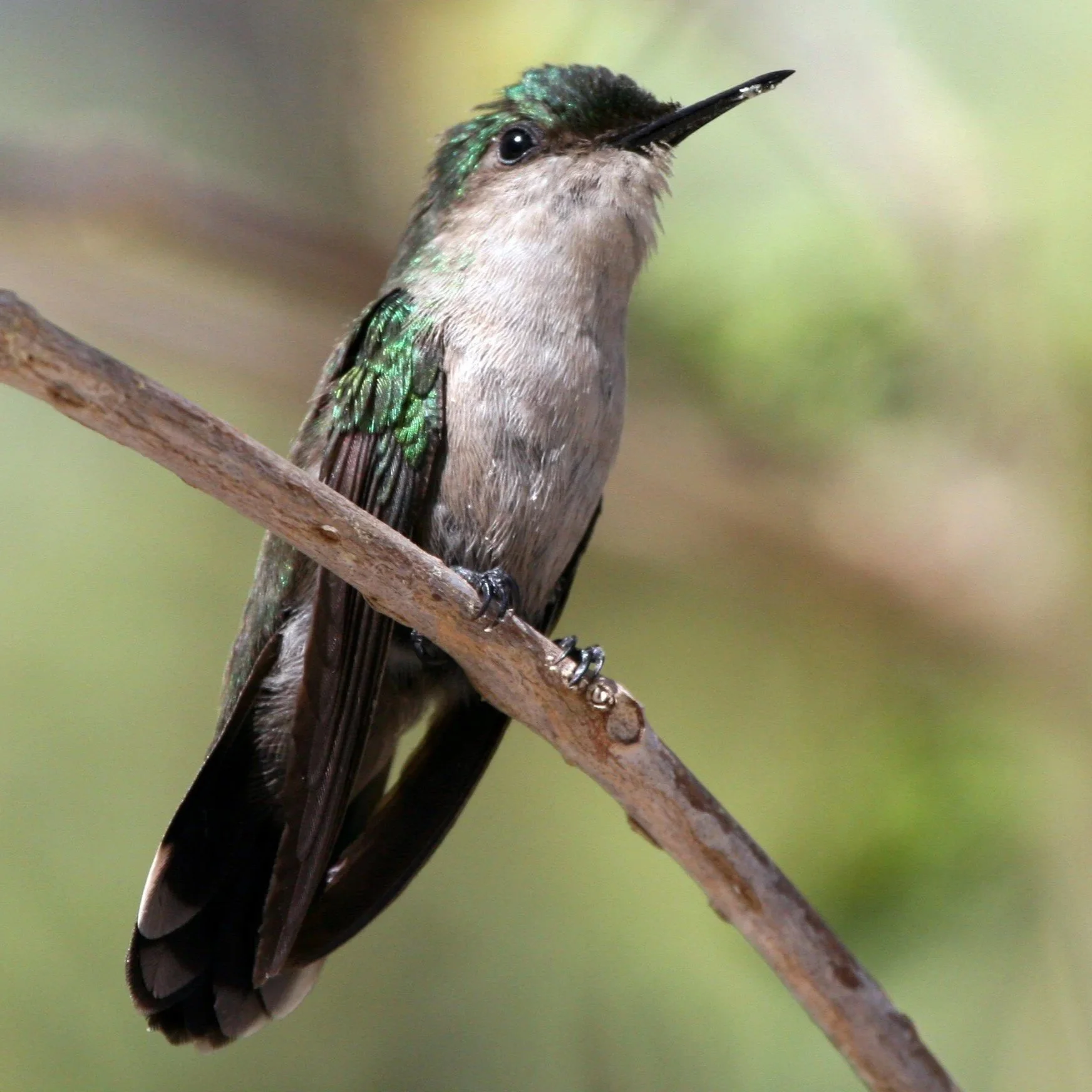
Antillean Crested Hummingbird
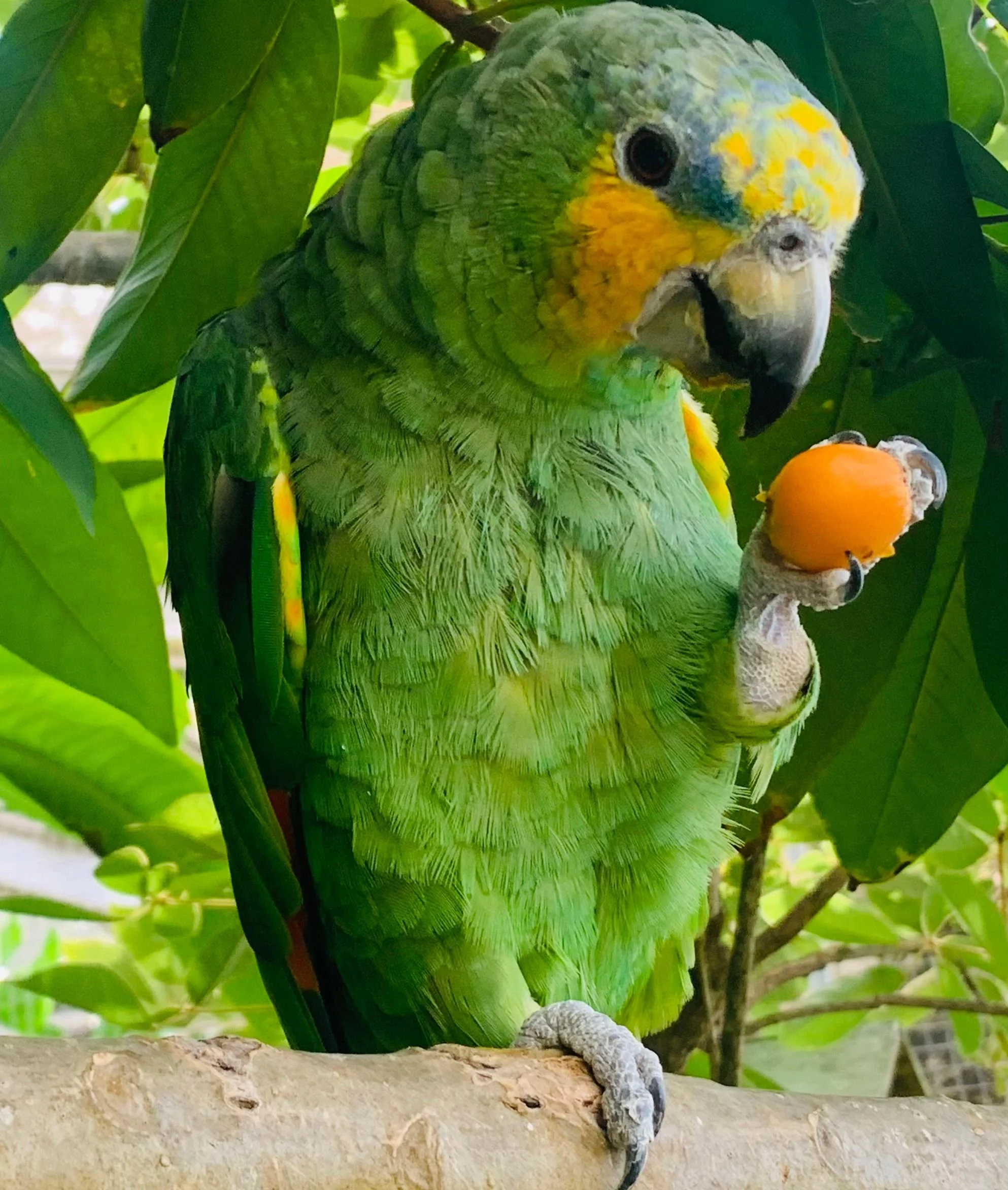
Amazonian Parrot
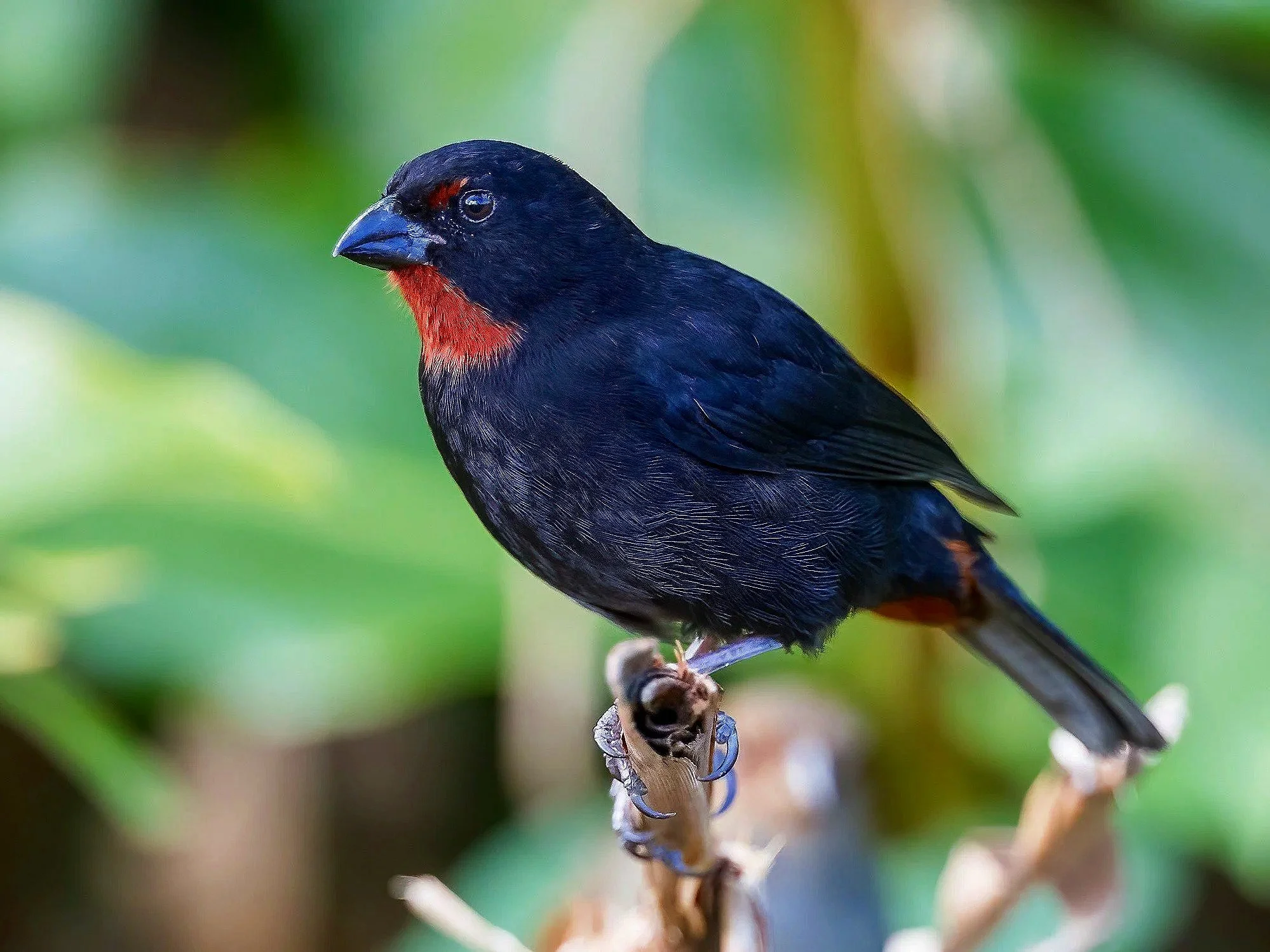
Lesser Antillcan Bullfinch.
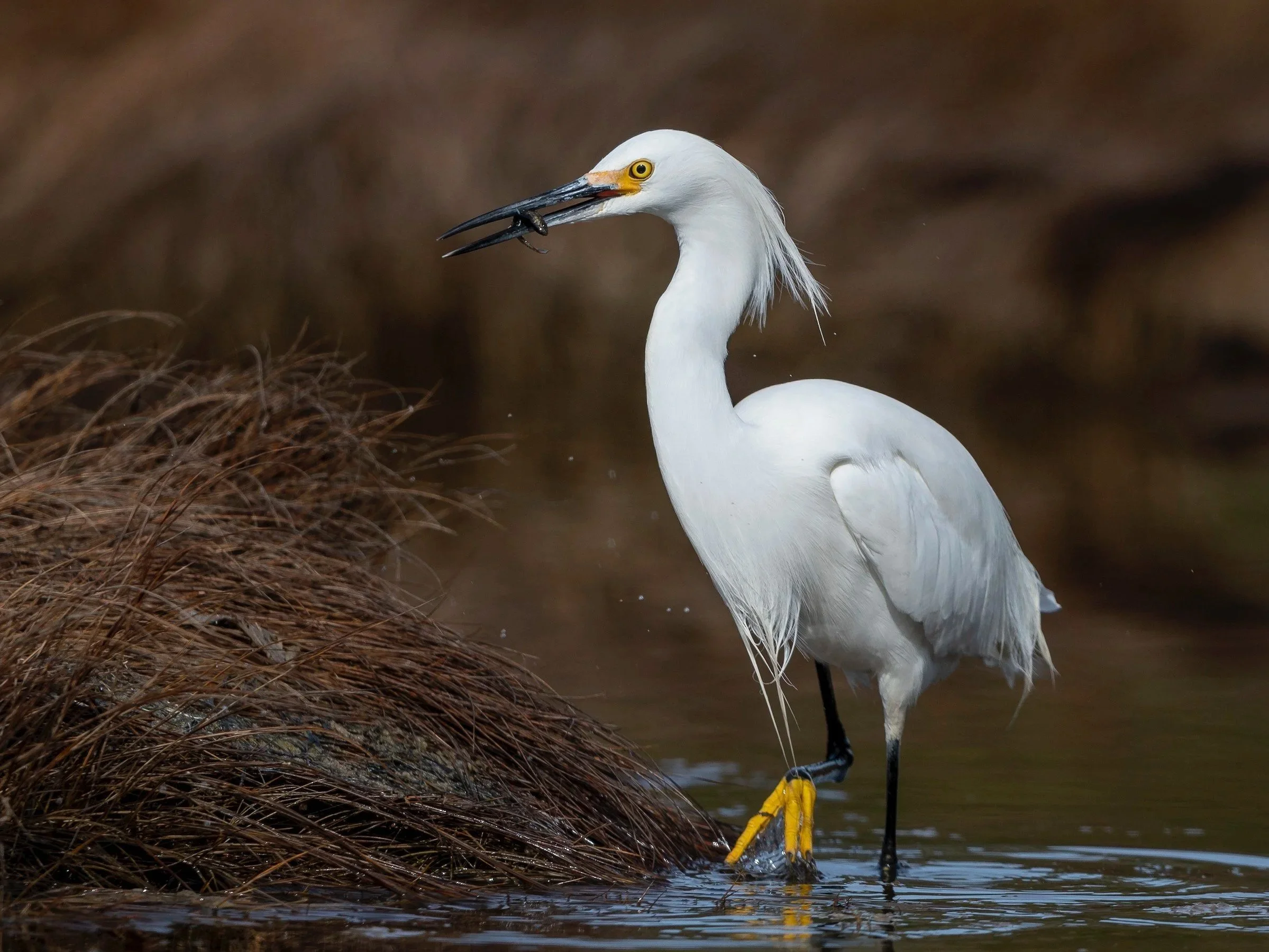
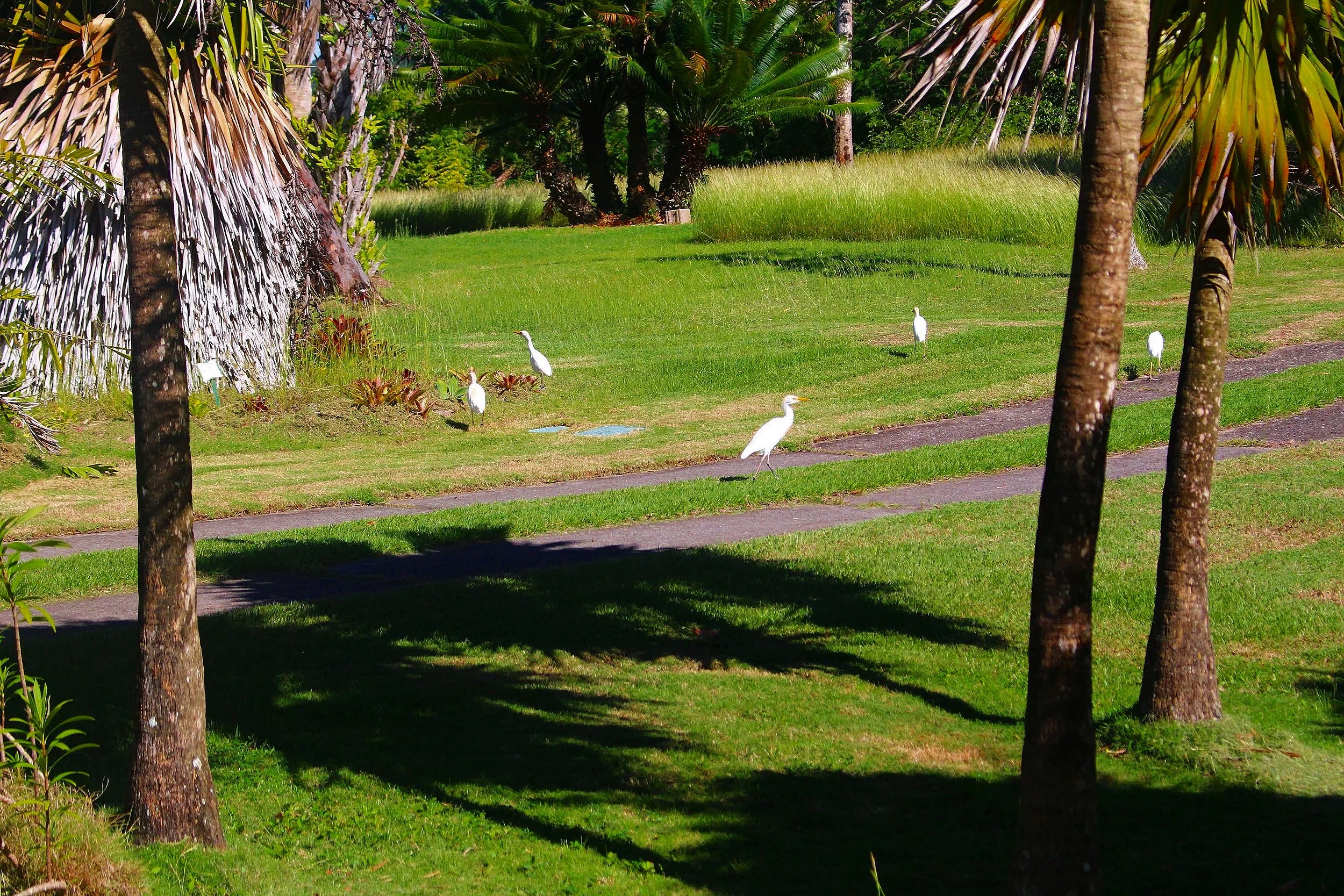
Snowy Egret
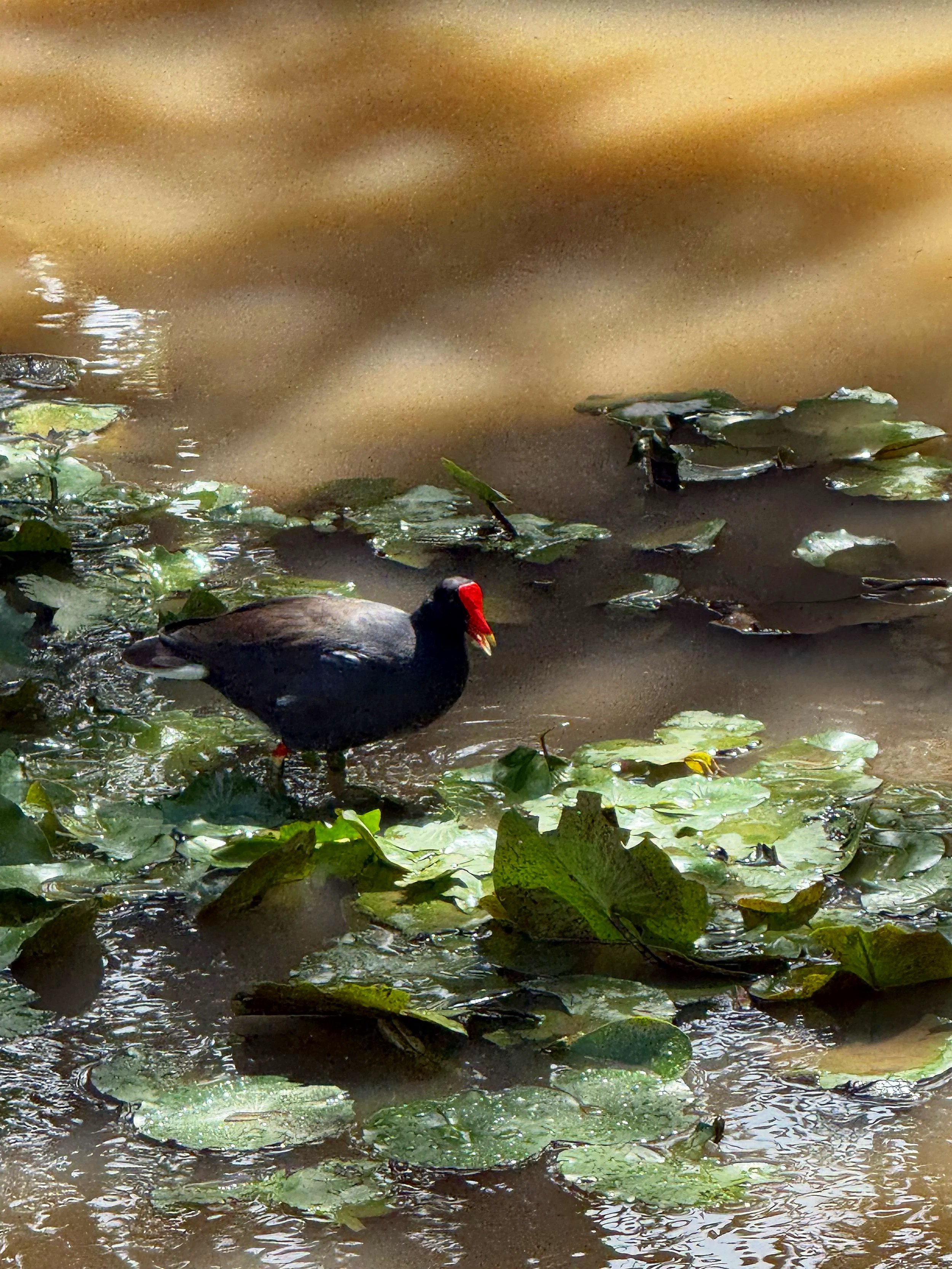
Common Gallinule
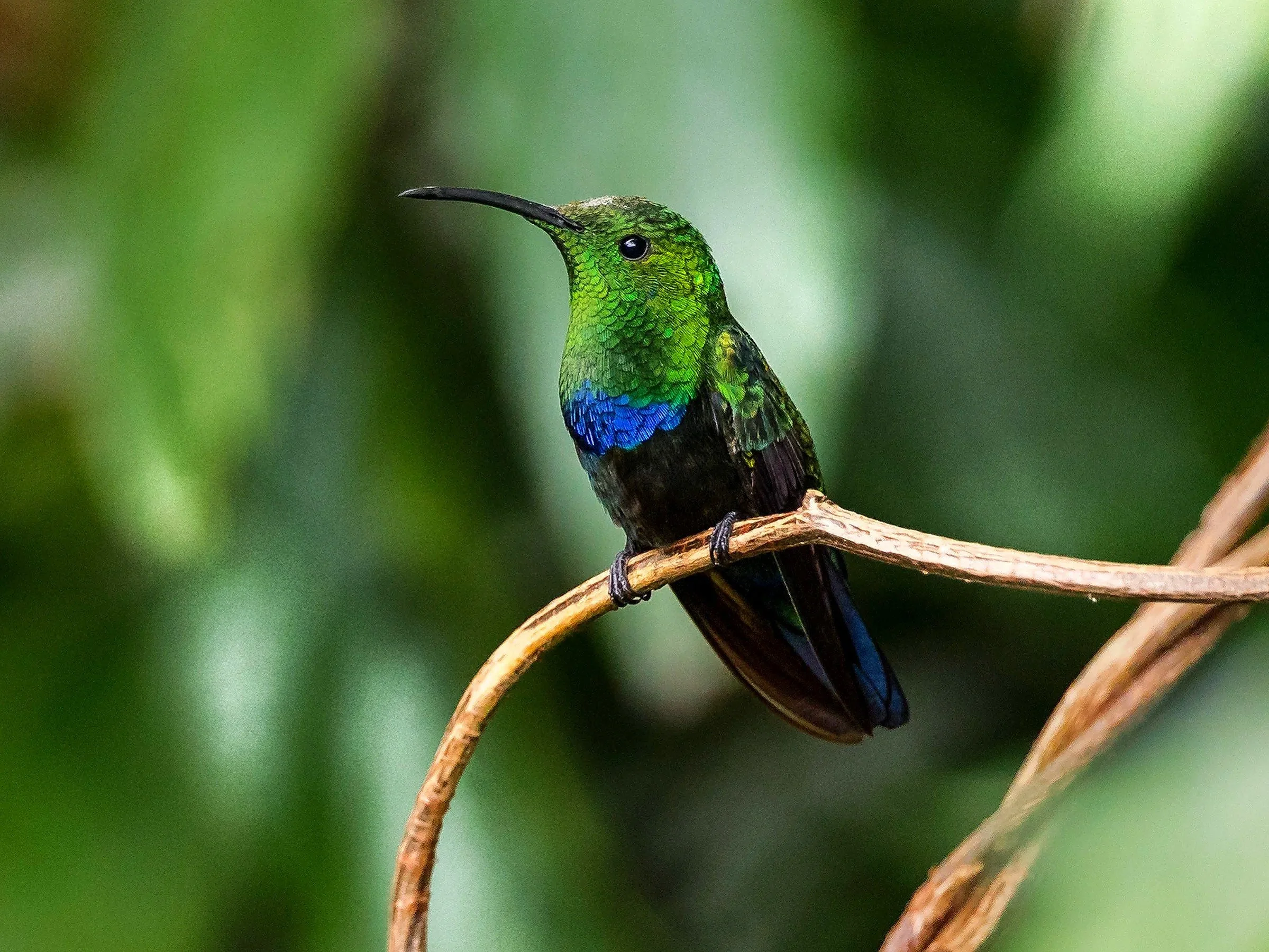
Green Throated Carib
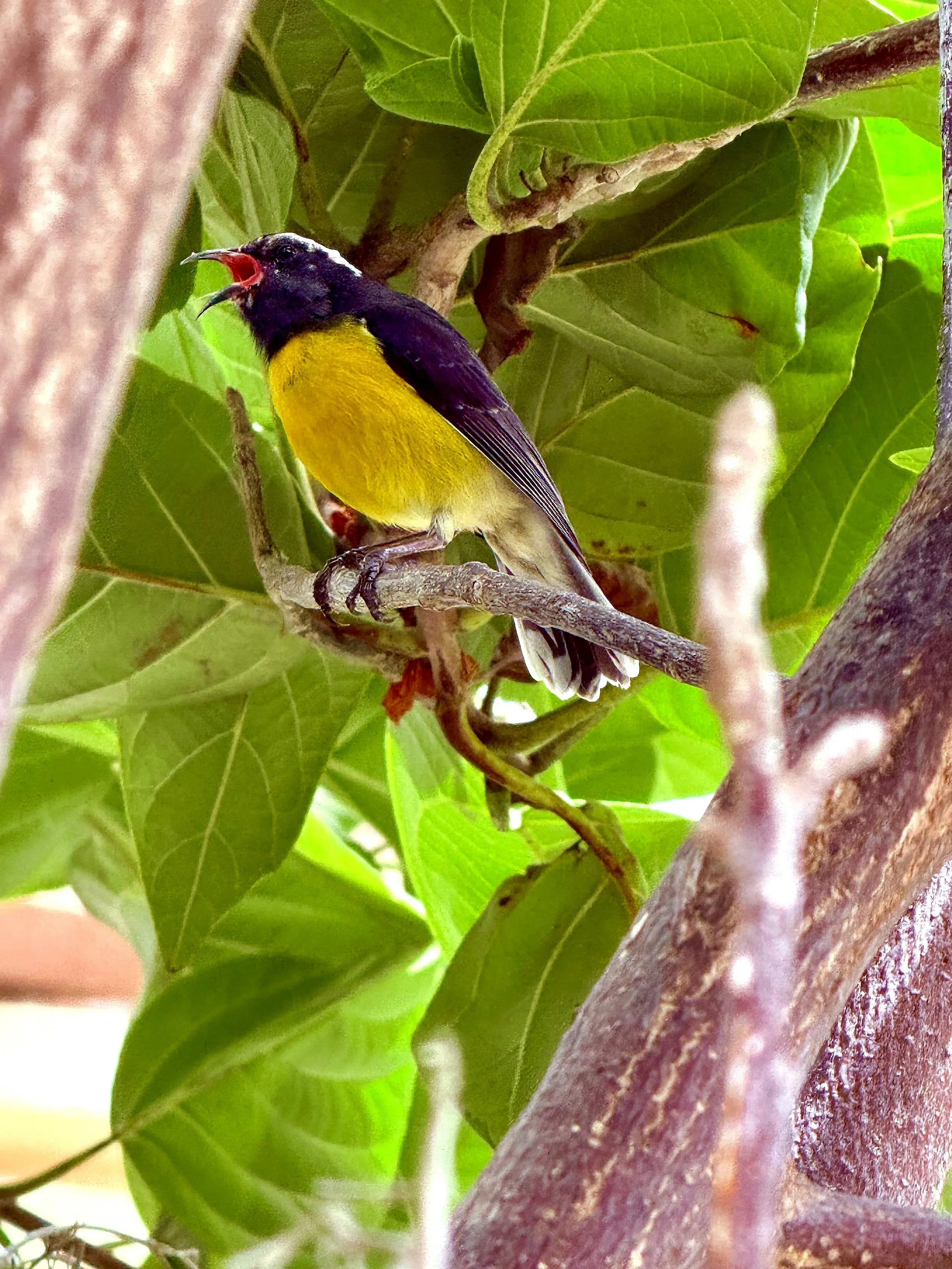
Bananaquit
Birds of Nevis
Lessor Antillean Bullfinch (Loxigilla noctis)
A familiar resident of Nevis, the Lesser Antillean Bullfinch brings personality and flashes of color to the island’s gardens and wooded landscapes. Males have striking black plumage accented by a reddish throat and small reddish patches above the eyes, while females are a softer brownish-olive with gray underparts. Their sturdy bills help them crack seeds, although they also enjoy fruit, nectar, and small insects. Bold and inquisitive around people, these resourceful birds sometimes investigate outdoor dining tables in search of a sweet treat—an endearing example of their adaptability to life alongside us.
Green-throated Caribb (Eulampis holosericeus)
A familiar resident of Nevis, the Lesser Antillean Bullfinch brings personality and flashes of color to the island’s gardens and wooded landscapes. Males have striking black plumage accented by a reddish throat and small reddish patches above the eyes, while females are a softer brownish-olive with gray underparts. Their sturdy bills help them crack seeds, although they also enjoy fruit, nectar, and small insects. Bold and inquisitive around people, these resourceful birds sometimes investigate outdoor dining tables in search of a sweet treat—an endearing example of their adaptability to life alongside us.
Hummingbirds (Trochilidae)
Small, brilliantly colored, and remarkably agile, hummingbirds bring flashes of life to the Gardens as they hover among the blossoms. Their slender bills and long, extendable tongues allow them to reach nectar deep inside flowers, including those of the Hong Kong orchid tree, a favorite in our gardens. These extraordinary birds can also fly backward and catch tiny insects in flight, adding an important source of protein to their nectar-rich diet.
Scaly-Naped Pigeon (Patagioenas squamosa)
The Scaly-Naped Pigeon is a large, handsome Caribbean pigeon named for the distinctive scale-like pale edges on the feathers of its nape and upper neck. Its plumage is otherwise predominantly slate-gray to purple-red, often catching the light with a subtle iridescence. A bird of wooded landscapes, it favors mature lowland and montane forest but also uses forest edges, secondary growth, and areas near human settlement where fruiting trees remain. It feeds mainly among the branches, seeking fruits, berries, seeds, tender buds, and occasionally small snails, although it will forage opportunistically on the ground. Often shy and difficult to approach, the pigeon is frequently detected first by the sudden clatter of its wings or its low, rhythmic cooing from high in the canopy. By consuming fruit and carrying seeds across the landscape, Scaly-naped Pigeons play a valuable role in the natural regeneration of Caribbean forests.
Moorhen (Gallinula Galeata)
Recognizable by its bright red forehead shield and yellow-tipped bill, the moorhen is a lively inhabitant of ponds and wetlands. Also known as the Common Gallinule, it swims along the water’s edge and moves through aquatic plants on remarkably long toes, which help support its weight on soft mud and floating vegetation. Its varied diet includes aquatic leaves and seeds, insects, snails, and other small invertebrates. Pause beside the water and watch for this engaging bird weaving its way through the greenery.
Bananaquit (Coereba flaveola)
A familiar little bird in Nevis’s gardens and flowering landscapes, the Bananaquit is easily recognized by its bright yellow breast, dark upperparts, and bold white eyebrow. Often called a “sugar bird,” it uses its slender, curved bill to seek nectar among tropical blossoms, supplementing its sweet diet with fruit and small insects. Unlike hummingbirds, Bananaquits usually perch while feeding, sometimes hanging upside down to reach a flower. Active and inquisitive, they bring lively movement and flashes of yellow to the island’s tropical greenery.
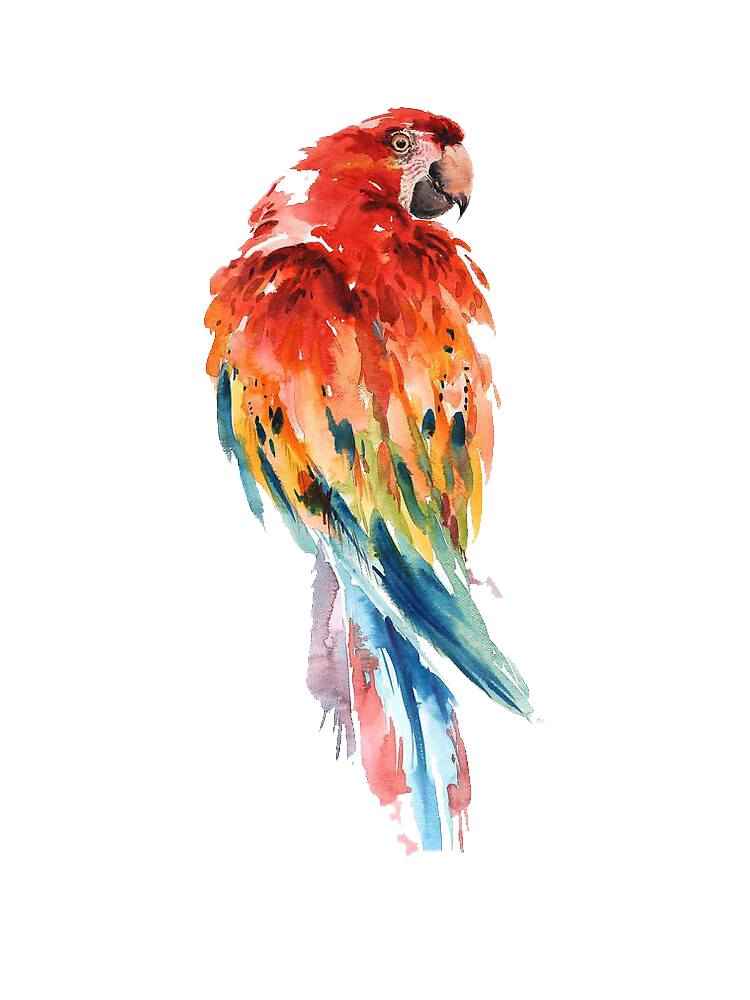
Amazon Parrots (Amazona spp.)
Discover the colorful Amazon parrots in our Rainforest Conservatory, where their lively personalities and expressive voices add another dimension to the tropical surroundings. Known for their intelligence and ability to imitate sounds, these engaging birds use strong beaks to crack nuts and handle a variety of fruits and seeds. Amazon parrots can live for many decades; some species may reach 60–80 years in human care, although lifespan varies with species, health, and living conditions.